
From Lakes to Limestone: A Photographer’s Guide to Khao Sok’s Most Stunning Viewpoints
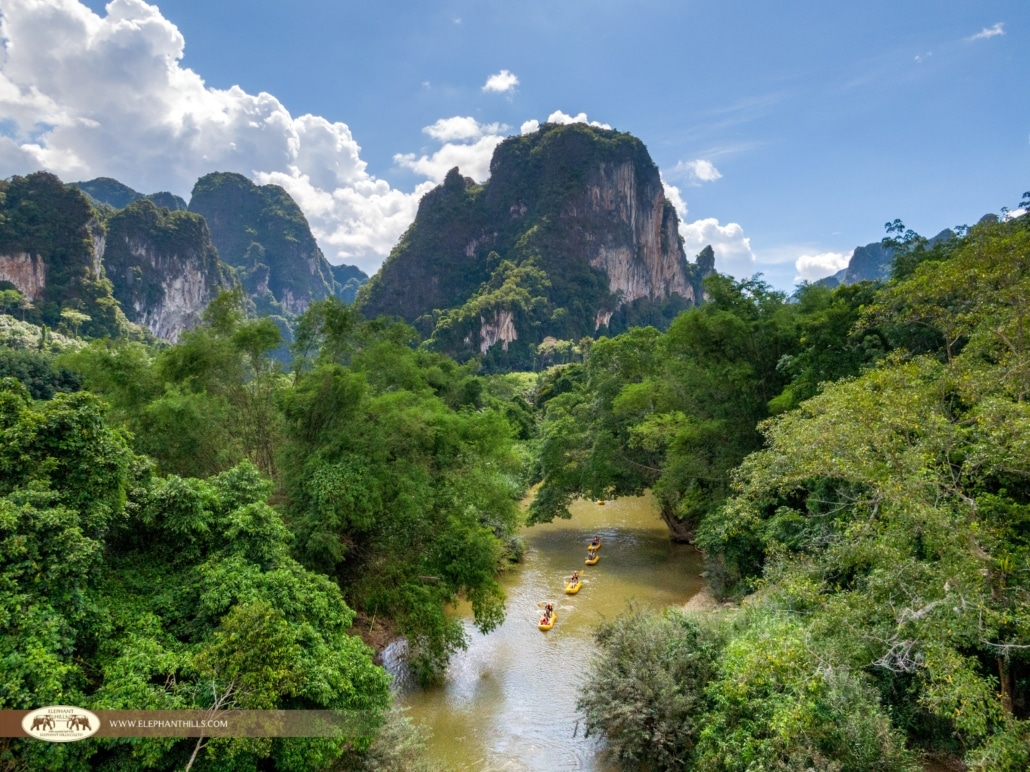
Khao Sok is one of Thailand’s most visually striking national parks, and for photographers, it offers an extraordinary range of subjects within a compact area. From towering limestone karsts rising above emerald waters to dense rainforest alive with texture and light, Khao Sok photography rewards patience, timing, and a willingness to explore beyond the obvious viewpoints.
February is an especially strong month for photography in Khao Sok. Sitting firmly within the dry season, it offers clear skies, reliable light, calm water conditions, and accessible trails. Whether you are carrying a professional camera or simply shooting with a smartphone, understanding where to go and when to shoot can dramatically elevate the results.
Why Khao Sok Is a Photographer’s Dream

Khao Sok’s landscapes are defined by contrast. Ancient rainforest sits beside dramatic limestone formations, while quiet rivers and expansive lakes reflect the surrounding cliffs and forest canopy. This diversity allows photographers to capture wide-angle landscapes, intimate jungle details, wildlife moments, and atmospheric scenes within a short time frame.
The park’s relatively low visitor numbers compared to more famous Thai destinations also mean fewer distractions in your frame. Many locations feel untouched, allowing images to reflect the raw character of the environment.
Golden Hour in the Rainforest
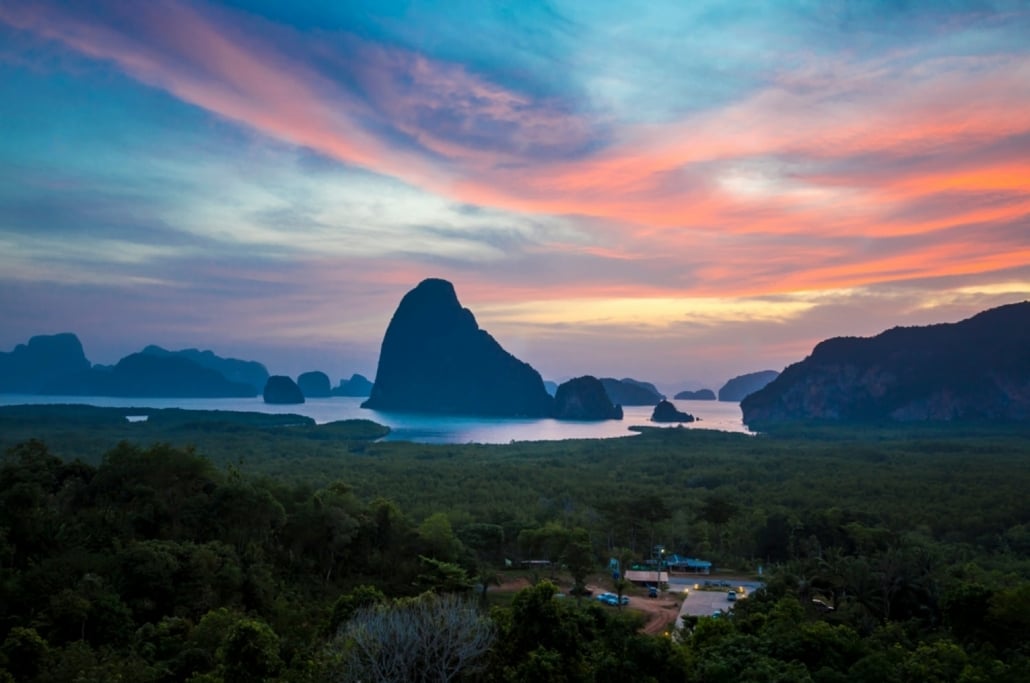
Light behaves differently in a rainforest. Direct sunlight is often filtered through layers of leaves, creating soft highlights and gentle contrast. Early morning and late afternoon provide the most flattering conditions, particularly along forest trails and rivers.
February mornings are especially productive, with cooler temperatures and minimal haze. Sunbeams often break through the canopy, illuminating moss-covered roots, vines, and forest floors. These moments are brief but rewarding for photographers who are ready early.
Learning about seasonal conditions and daylight patterns can help with planning, and the Facts page offers useful background information.
Cheow Lan Lake: Reflections and Scale
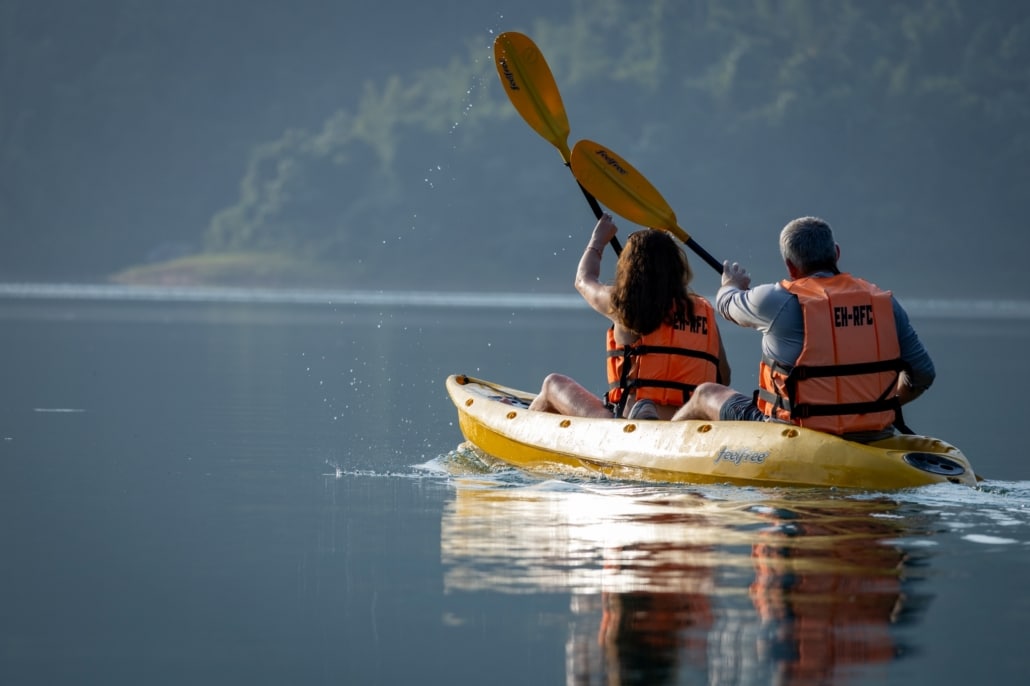
Cheow Lan Lake is one of the most iconic photography locations in southern Thailand. In February, calm water conditions often create mirror-like reflections of the limestone cliffs and surrounding forest, making this an ideal time for landscape photography.
Early mornings on the lake are particularly striking. Mist lingers between the karsts, boats move quietly across the water, and the light remains soft and directional. Wide-angle lenses work well here, but telephoto shots can also isolate details such as trees clinging to cliff faces or birds perched above the waterline.
Spending extended time on the lake increases photographic opportunities, which is why itineraries that include both rainforest and lake environments, such as the 3-Day Jungle Lake Safari, are particularly appealing for photographers.
Limestone Karsts and Dramatic Vantage Points

The limestone formations of Khao Sok create a sense of scale that is difficult to capture without careful composition. Including foreground elements such as trees, boats, or shoreline vegetation helps convey the cliffs’ height and mass.
Viewing angles change dramatically depending on position, so moving around a location is key. Slight shifts in perspective can transform a flat image into a dynamic composition. Overcast mornings can also be beneficial, as they reduce harsh shadows and highlight the texture of rock formations.
These landscapes are especially effective when paired with human elements, such as a canoe or small boat, to provide scale without overwhelming the natural setting.
River Canoeing: Quiet Access to Intimate Scenes

Canoeing along Khao Sok’s rivers offers photographers access to scenes that are often missed on foot. The low angle from the water creates unique compositions, while the slow pace allows time to observe reflections, wildlife, and subtle changes in light.
February’s stable water levels make canoeing smooth and predictable, reducing motion and improving image sharpness. Reflections of trees and sky add symmetry, while overhanging branches frame shots naturally.
Canoe experiences are featured in several curated itineraries listed on the Recommended Tours page.
Jungle Details: Texture, Colour, and Scale
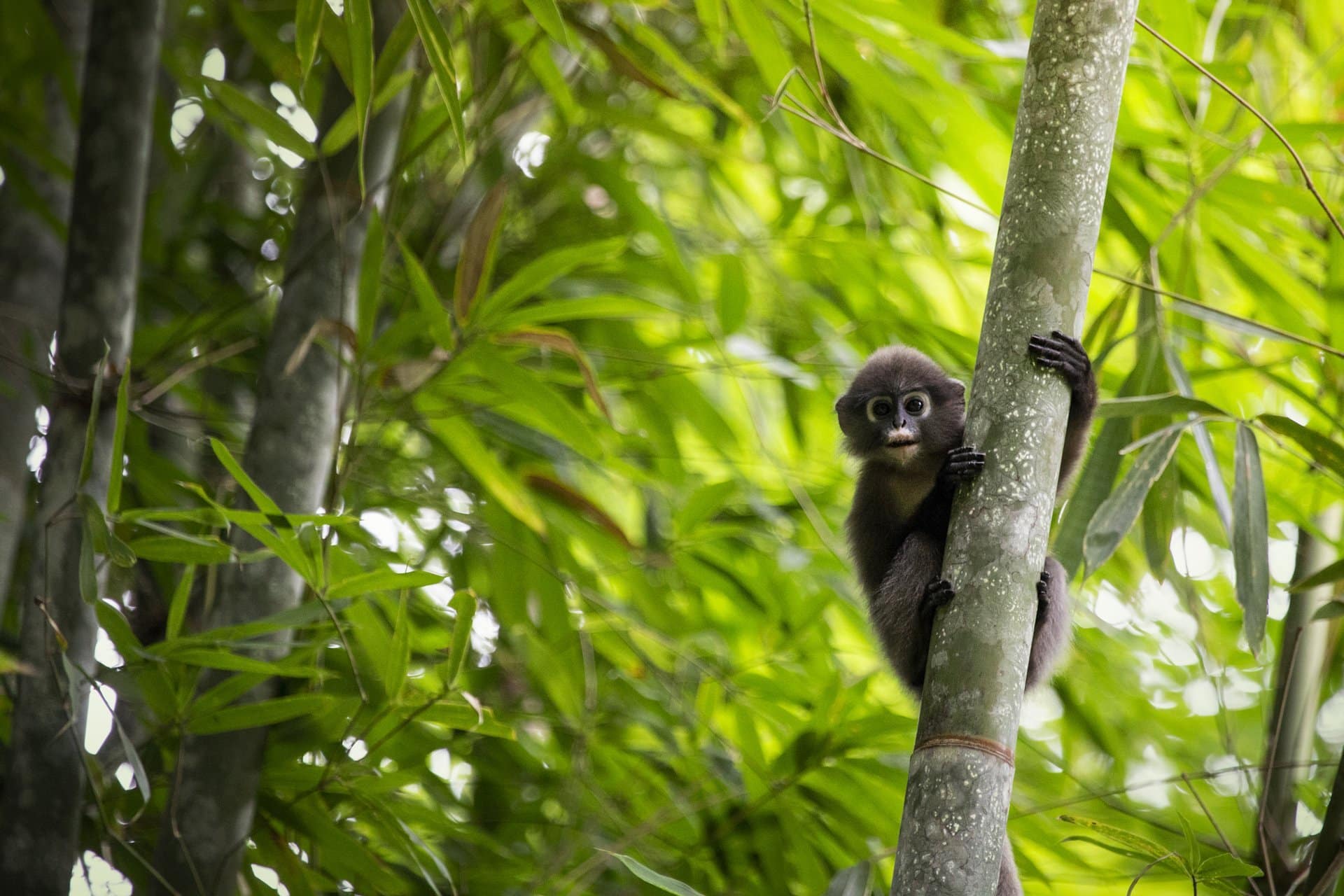
Not all photography in Khao Sok is about grand landscapes. The rainforest is rich with detail, from vibrant fungi and insects to patterns in leaves and bark. February’s drier conditions make it easier to explore forest trails without distraction.
Macro photography is particularly rewarding, as many small subjects remain active throughout the dry season. Even without specialised equipment, close-up images of plants and textures can tell powerful stories about the ecosystem.
Understanding the diversity of plant life enhances these opportunities, and the Flora page provides useful context.
Wildlife Photography Without the Pressure
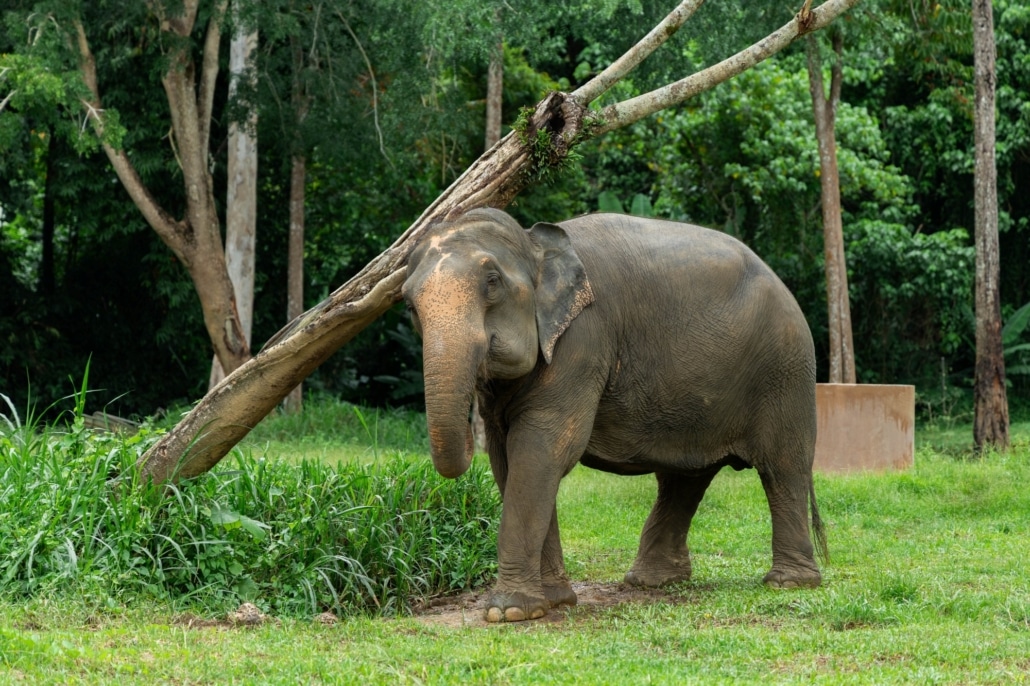
Wildlife photography in Khao Sok requires patience rather than expectation. While February offers good visibility, animals remain wild and unpredictable. This makes ethical observation and respectful distance essential.
Photographers often find success by focusing on behaviour rather than rare sightings. Birds in flight, primates resting in trees, or reptiles warming in filtered sunlight can produce compelling images without disturbance.
Learning what species inhabit the area can help photographers recognise opportunities when they arise, and the Fauna page offers an overview of local wildlife.
Practical Photography Tips for February
- Start early to capture mist and soft morning light
- Use lens hoods to manage glare near water
- Protect equipment from humidity with dry bags
- Keep gear minimal for jungle walks
- Respect wildlife and avoid intrusive behaviour
Photographers planning a multi-day stay benefit from a relaxed schedule that allows time to revisit locations under different light conditions.
Who Will Enjoy a Photography-Focused Visit?
This style of exploration is well-suited to:
- Landscape and nature photographers
- Travellers who enjoy slow, observational travel
- Couples seeking scenic experiences
- Content creators looking for unique natural settings
- First-time visitors wanting varied visual highlights
Longer itineraries that combine multiple environments, such as the 4-Day Jungle Lake Safari, provide the flexibility needed to photograph both rainforest and lake landscapes effectively.
Planning Your February Khao Sok Photography Trip
February is popular for its stable weather and clear skies. Planning ahead ensures access to early morning activities and sufficient time at key locations.
Whether you are focused on dramatic landscapes or subtle jungle details, February offers a balanced combination of light, accessibility, and atmosphere that makes Khao Sok one of Thailand’s most rewarding destinations for photography.
FAQs
1. Is February a good month for photography in Khao Sok?
Yes. February offers clear skies, calm lake conditions, and excellent light, making it one of the best months for photography.
2. Do I need professional equipment?
No. While professional cameras offer flexibility, many photographers capture excellent images using smartphones and compact cameras.
3. Are there crowded viewpoints?
Khao Sok is generally quiet compared to other destinations, especially early in the morning.
4. Can I photograph wildlife ethically?
Yes. Ethical photography focuses on observing animals from a distance without disturbing their natural behaviour.
5. Which itinerary suits photographers best?
Multi-day itineraries that include both rainforest and Cheow Lan Lake environments provide the most varied photographic opportunities.

