
Khao Sok Wildlife in January: What You Are Most Likely to See
For travellers hoping to experience Thailand’s rainforest at its most alive, Khao Sok wildlife in January is one of the strongest reasons to plan a visit at the start of the year. January sits firmly within the cool, dry season, bringing clear skies, comfortable temperatures, and ideal conditions for wildlife activity. Visibility is high, trails are accessible, and many animals are more active during daylight hours than at other times of the year.
While Khao Sok National Park is home to an extraordinary range of species year-round, January offers some of the most reliable opportunities for sightings. From early morning gibbon calls echoing through the valley to hornbills gliding above the treetops, this is a month when patience is often rewarded.
Why January Is One of the Best Months for Wildlife Spotting
January weather conditions create an ideal balance for wildlife encounters. Cooler nights and mild mornings encourage animals to move, feed, and vocalise, while reduced rainfall means clearer sightlines and easier navigation through the forest.
Humidity is lower than during the rainy season, which makes longer outdoor activities more comfortable for visitors and guides alike. With fewer weather disruptions, guided walks, canoe excursions, and lake exploration can take place during peak wildlife hours, especially early in the morning.
You can explore seasonal climate details in more depth on the Facts page.
Gibbons: The Voices of the Morning Forest

One of the most memorable wildlife experiences in January is hearing gibbons calling at dawn. Their haunting songs travel across the forest canopy, often lasting for several minutes as different family groups respond to one another.
January mornings are cool and still, allowing sound to carry further than during hotter months. While spotting gibbons visually requires patience and guidance, their calls are often heard during early-morning walks and canoeing sessions.
Learning to recognise these calls adds depth to any visit and helps travellers understand how animals communicate within this ancient ecosystem.
Birdlife in January: Hornbills and Rainforest Species
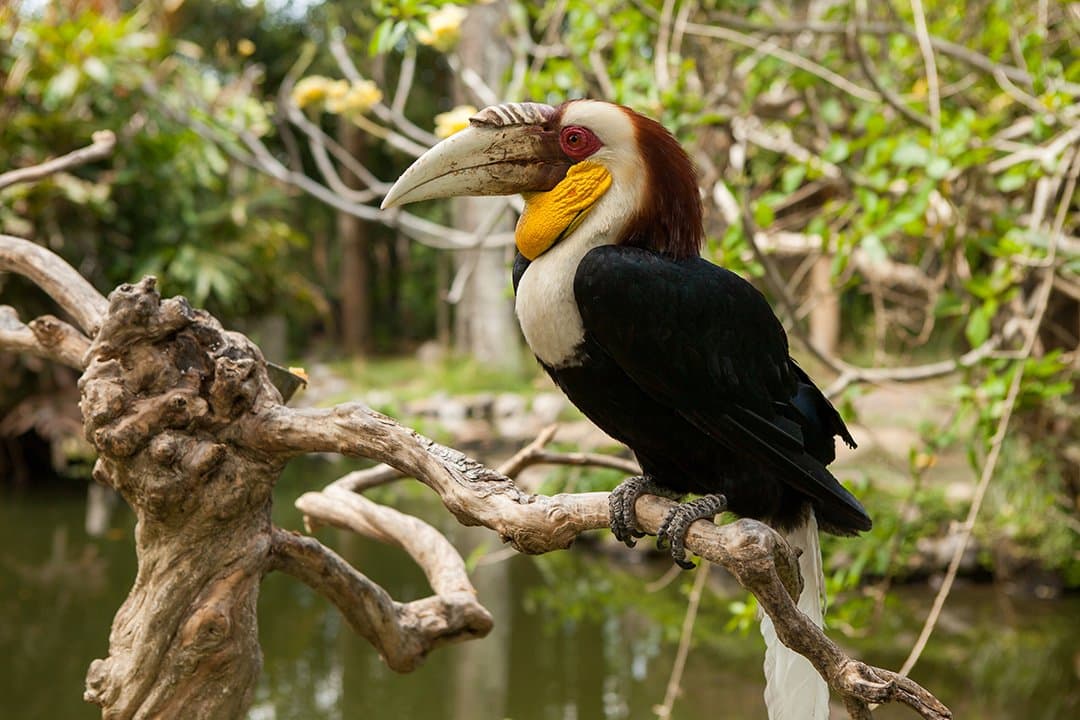
Birdwatching in January is particularly rewarding. Khao Sok is home to an impressive range of bird species, including several hornbill species, kingfishers, drongos, and broadbills.
The drier conditions of January make birds easier to spot as they move between fruiting trees and open spaces. Hornbills are often seen flying across valleys or perched high in the canopy, while smaller species can be observed along forest edges and riverbanks.
Travellers interested in birdlife can learn more about resident species on the Fauna page.
Reptiles and Amphibians During the Cool Season
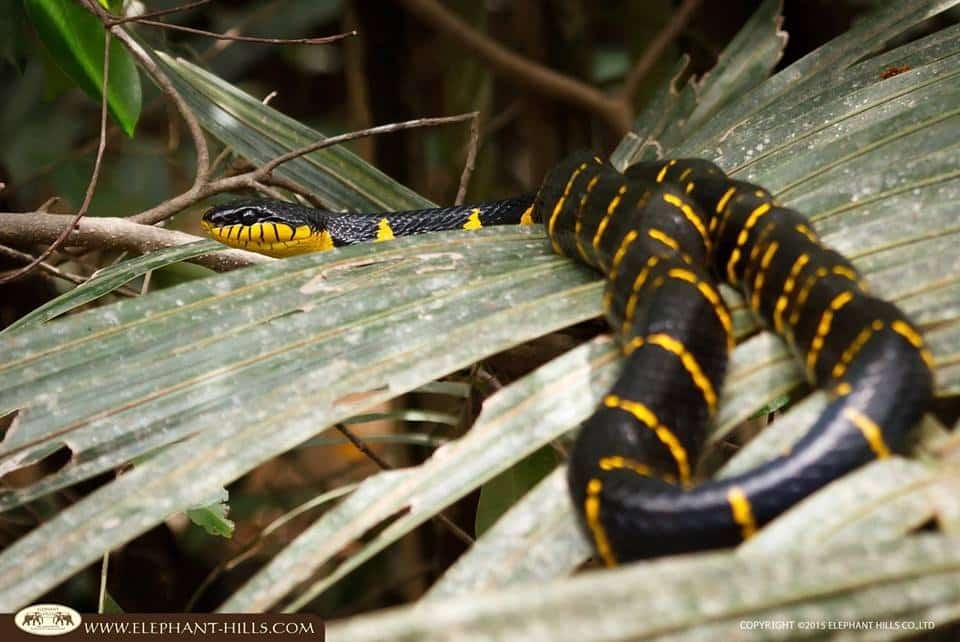
Although reptiles are generally associated with warmer months, January still offers opportunities to spot snakes, lizards, and frogs, particularly in shaded or humid areas of the forest.
Water monitors are sometimes seen near rivers and lakes, while tree-dwelling lizards remain active year-round. Amphibians are less vocal than during the rainy season, but careful observation can reveal frogs resting near streams or hidden among leaves.
Guided walks are especially valuable for reptile spotting, as experienced guides know where animals are most likely to shelter during cooler periods.
Mammals of Khao Sok: What You Might Encounter
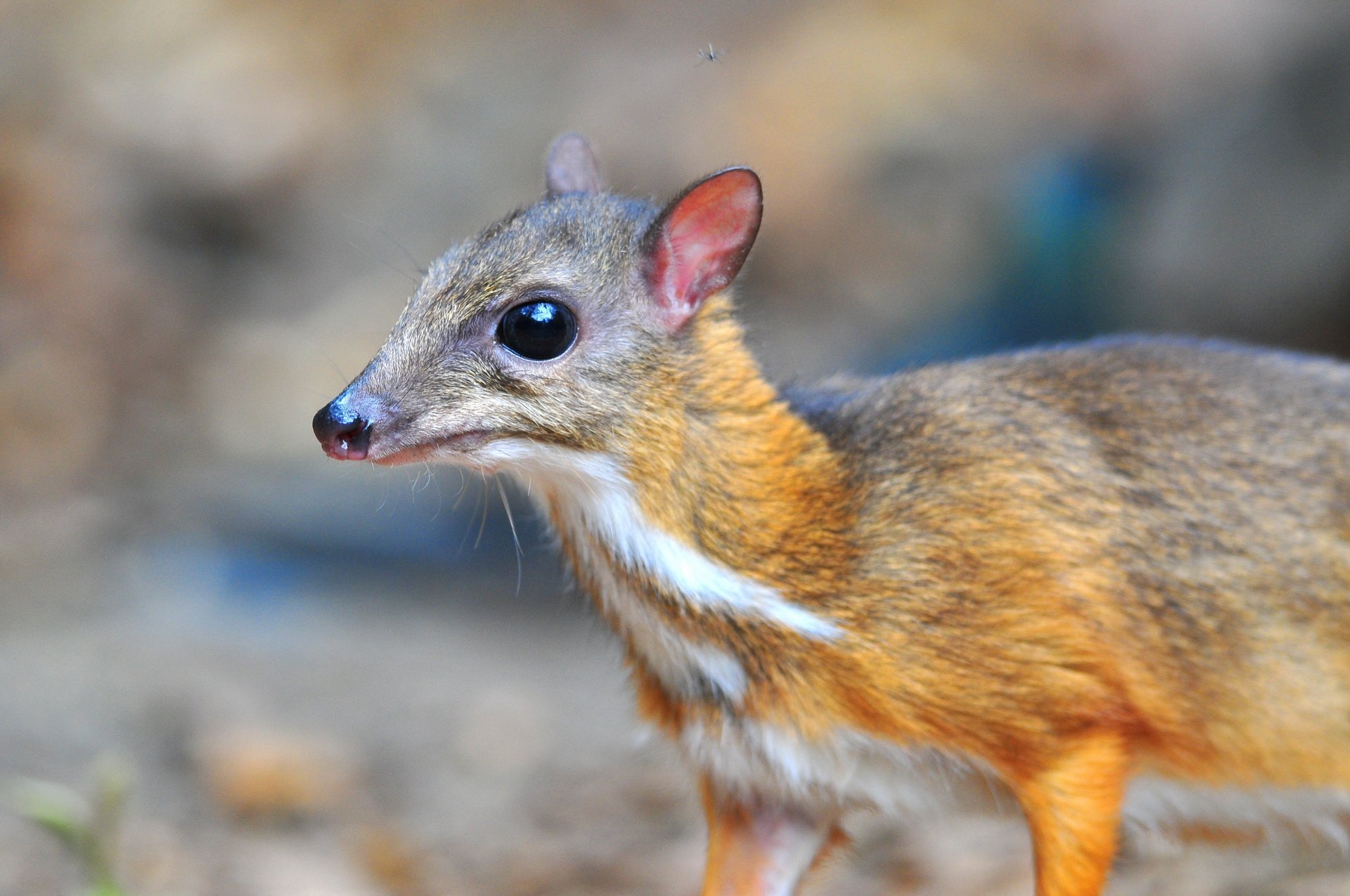
Khao Sok’s dense rainforest is home to a variety of mammals, many of which are elusive by nature. January offers improved chances of glimpses rather than guaranteed sightings, but signs of animal presence are often visible.
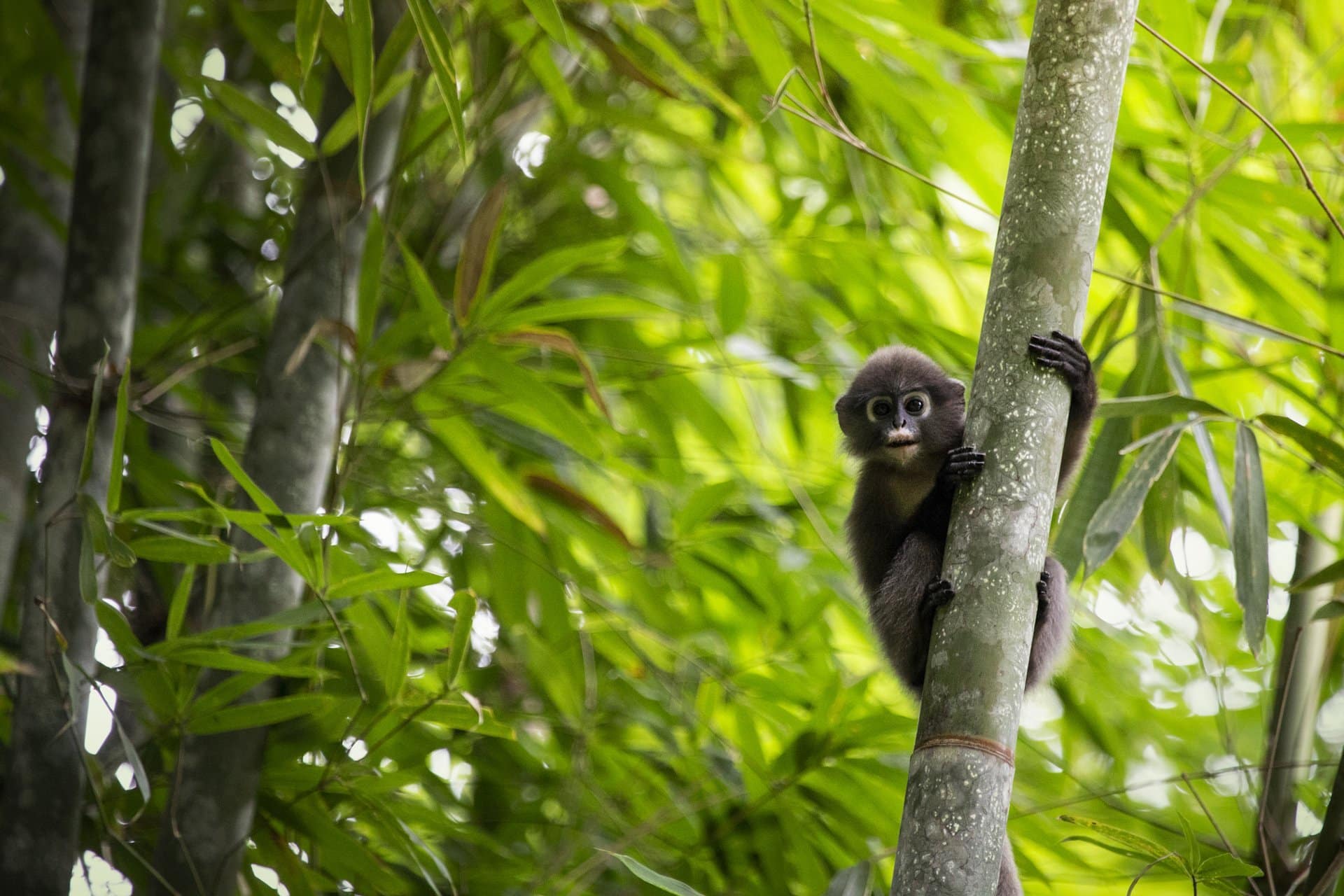
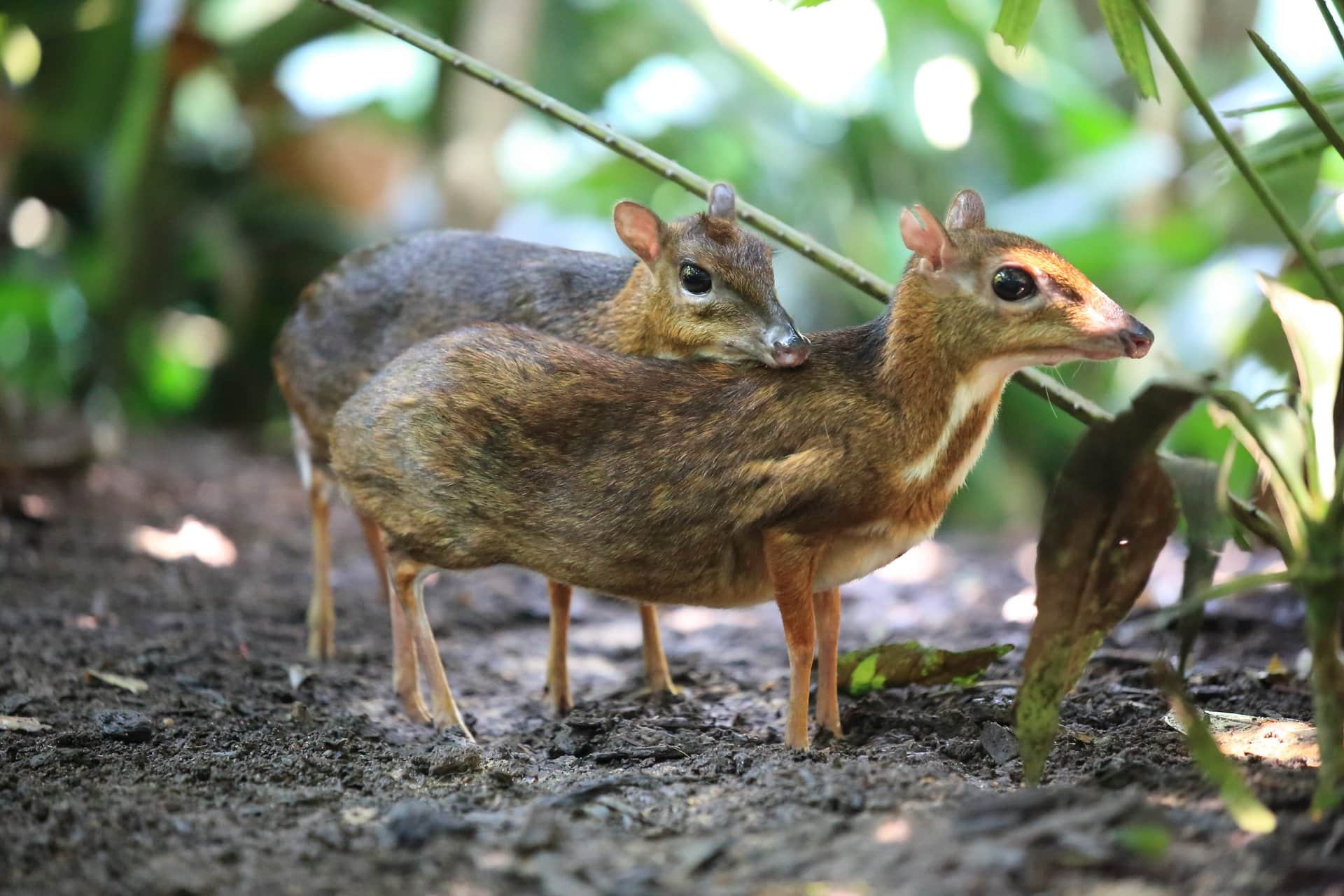
Visitors may encounter macaques near forest edges, while dusky langurs are sometimes spotted resting high in trees. Tracks, sounds, and movement within the undergrowth often hint at the presence of larger mammals such as deer or wild boar.
Understanding animal behaviour and habitat increases the likelihood of meaningful encounters, even if sightings are brief.
Cheow Lan Lake Wildlife in January

Cheow Lan Lake offers a different perspective on wildlife from the forest trails. Calm water conditions in January make it easier to spot birds, reptiles, and mammals along the shoreline.
Early mornings on the lake are especially productive, with mist lifting to reveal limestone cliffs and forested islands. Birds are frequently seen feeding near the water, and monkeys sometimes appear along the banks.
Multi-day itineraries that combine rainforest exploration with lake time, such as the 3-Day Jungle Lake Safari, allow travellers to experience wildlife across multiple habitats.
Why Guided Experiences Matter for Wildlife Viewing

Wildlife in Khao Sok is rarely apparent to the untrained eye. Many animals blend seamlessly into their surroundings, and some are more easily detected by sound or subtle movement.
Guides play a vital role in interpreting the forest, pointing out animal signs, explaining behaviour, and ensuring visitors understand how to observe wildlife responsibly. This not only increases the chance of sightings but also helps protect the delicate rainforest ecosystem.
Visitors seeking structured, expert-led itineraries can explore the options listed on the Recommended Tours page.
Responsible Wildlife Encounters in January
January is an excellent time to observe wildlife responsibly. Cooler weather reduces stress on animals, and visitors are more comfortable maintaining quiet, respectful behaviour during activities.
Responsible viewing means keeping a safe distance, avoiding loud noises, and never attempting to feed or touch animals. These practices help preserve natural behaviours and ensure future visitors can enjoy the same experiences.
Who Will Enjoy January Wildlife Experiences Most?
January wildlife experiences are particularly suited to:
- First-time visitors seeking reliable conditions
- Nature lovers interested in birds and primates
- Photographers looking for clear light and calm mornings
- Travellers who prefer cooler temperatures for outdoor activities
- Families wanting comfortable and predictable weather
Longer stays that combine multiple habitats, such as the 4-Day Jungle Lake Safari, offer the best opportunity to observe a wide range of species.
Planning Your January Wildlife Visit
January is a popular month due to its favourable conditions, so planning ahead is essential. Early-morning activities are especially valuable for wildlife encounters, and multi-day itineraries increase the likelihood of seeing diverse species.
Combining forest walks, canoeing, and lake exploration provides a well-rounded understanding of Khao Sok’s wildlife and landscapes.
Wildlife FAQs
1. Is January a good month for wildlife in Khao Sok?
Yes. January offers cool temperatures, low rainfall, and high visibility, making it one of the best months for wildlife observation.
2. What animals am I most likely to see in January?
Common sightings include gibbons, hornbills, macaques, langurs, reptiles, and a wide variety of birds.
3. Are night wildlife activities available in January?
Yes. Night walks and listening experiences remain possible, although animal vocal activity is generally higher in the early morning.
4. Do I need a guide to see wildlife?
While wildlife can be encountered independently, guided experiences significantly improve the chances of sightings and ensure responsible behaviour.
5. Which itinerary is best for wildlife viewing?
Multi-day itineraries that include both rainforest and lake environments, such as the 3-Day Jungle Lake Safari, provide the best wildlife opportunities.

