A Small Change, A More Magical Experience [Starting 1 May 2026]
We're making a few gentle changes to how you'll experience our tours - designed to feel even more natural and enjoyable for both you and the elephants. Full Information → ×
Banana 1

Banana

Musa

Description:
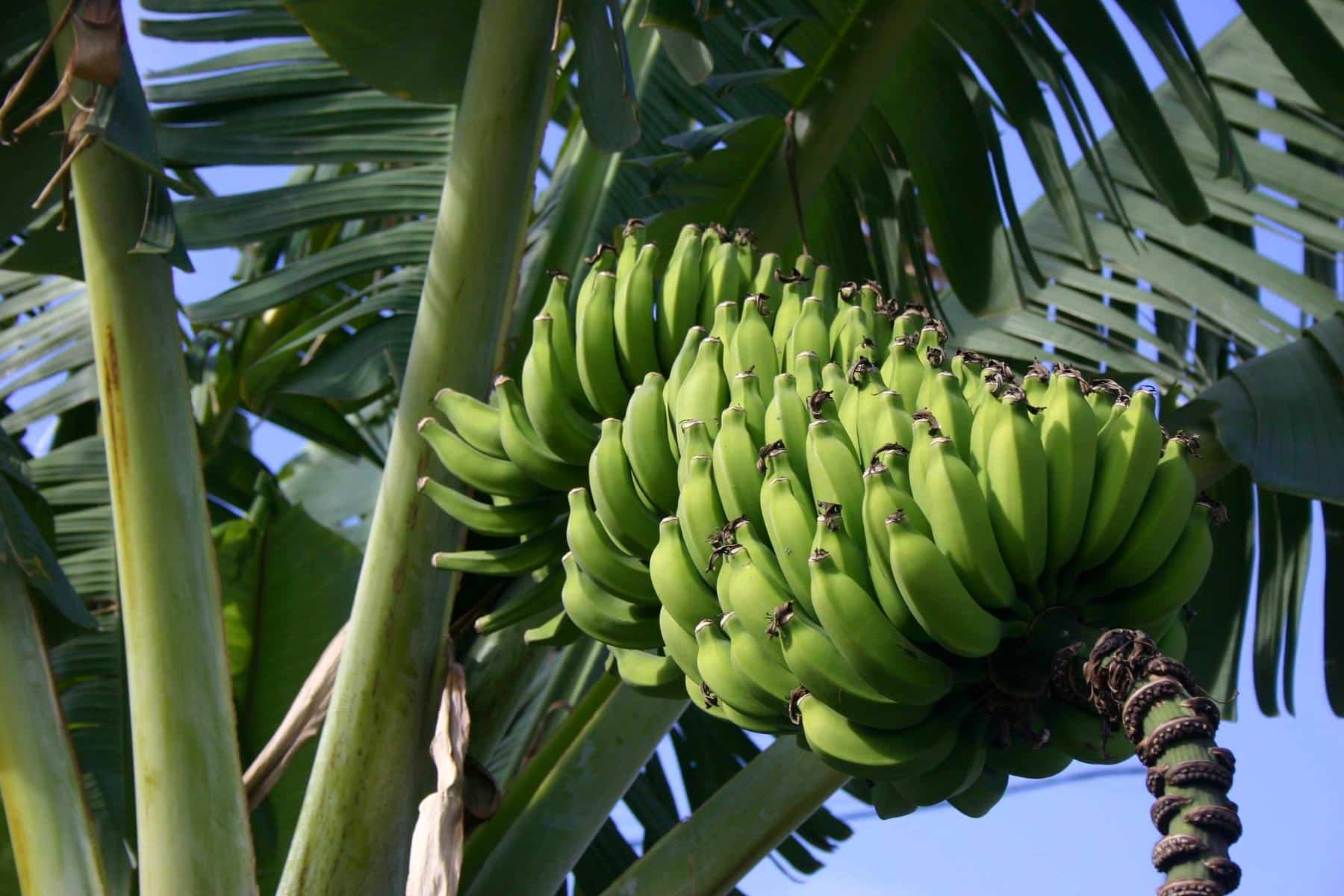
Against common assumption, banana is not really a tree. The plant doesn’t have any bark and is all fiber; hence bananas are defined as the largest herb on the planet. Bananas propagate by rhizomes, growing new shoots underground from the main stem. Most species are infertile, meaning you cannot simply plant a banana in the ground and get a whole plant. This is theresult of years of selective breeding done by humans.

Wild species of banana still do have black seeds. There are over 300 species of banana in the world, about 22 of which are grown in Thailand. These can be divided into two types: the sweet and the savory bananas, commonly known as plantains (which require cooking). In 2005 Thailand produced 2 million tons of bananas for the world markets, which accounted for only 2.8 percent of total global production. A banana plantation has a useful life of about 25 years.

Did you know...?

…that banana trees aren’t trees but herbs? And that bananas aren’t fruits but berries?
Habitat:
The plant is very adaptive and grows anywhere.

Lifecycle:
Bananas must be grown from large rootstocks or rhizomes that are carefully transplanted. In about nine months the plants reaches its mature height of about 5 – 10m (15 to 30 feet). The fruit develops from the flower shoots, producing what is known as ‘hands of bananas’, which initially form hanging downwards, but at some point turn the other way up. Bananas are mature about three months after flowering.

Usage:
Some birds feed on the nectar of the banana flower, others use the leaves to protect their nest. People in Thailand use practically every part of the plant. The flower can be boiled together with coconut milk and eaten as soup, leaves are used as wrapping and to serve food. Because the fibers within the stalk are extremely strong, they are often turned into ropes, string or twine and further woven into baskets, hats and place mats. The stalk is also traditionally used for making floats for the Loy Krathong festival, which occurs every full moon in November.