A Small Change, A More Magical Experience [Starting 1 May 2026]
We're making a few gentle changes to how you'll experience our tours - designed to feel even more natural and enjoyable for both you and the elephants. Full Information → ×
LittleEgret
Length:Long: 55–65 cm.
Wingspan: 88–106 cm.
Weighs: 350–550 g.

Little egret

(Egretta garzetta)

Description:
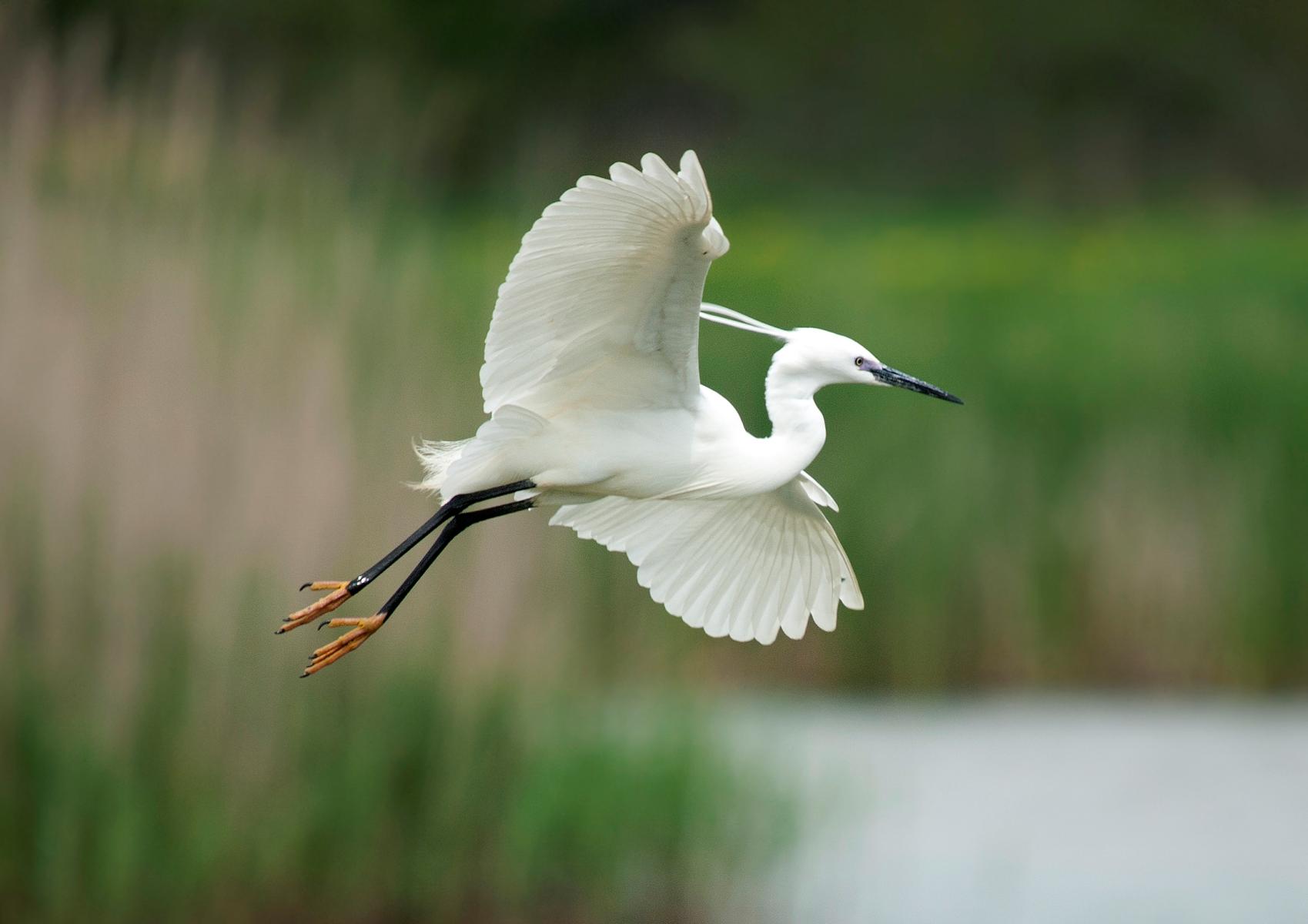
The little egret is a small species of heron with a wide distribution ranging from Africa, to southern Europe, the Middle East and South Asia. Depending on the climate of its environment it will migrate to warmer places over winter. The plumage of the little egret is entirely white, which makes it easy to spot among green and brown vegetation. The long and slender bill is ideal for catching fish in shallow waters. Its legs are black and the bill is yellow. They are social birds and are often observed in small flocks.

Did you know...?

Little egrets have been reported to make use of the opportunity of humans attracting fish by throwing bread into the water.

Diet:
The little egret eats a big variety of food, but its main food source is fish. Preferably, it stands still in shallow water and waits for fish to approach its legs, which is when it will dive under and catch it. Apart from fish, they also like to eat amphibians, small reptiles, mammals, birds, crustacean, mollusks, insects, spiders and worms. They have even occasionally been observed to scavenge.

Habitat:
Pond herons inhabit various open freshwater wetlands and coastal areas, like ponds, rivers, lagoons and marshes, as well as open cultivated areas.

Reproduction:
Pond herons nest in colonies, sometimes together with other heron species. Their nests are platforms of sticks build into trees, shrub or even bamboo groves. A pair of heron will defend its breeding territory, which is within three to four meters around the nest. The female lays three to fiveeggs and incubation time is 21 to 25 days. Both parents will look after the offspring after they hatched.