A Small Change, A More Magical Experience [Starting 1 May 2026]
We're making a few gentle changes to how you'll experience our tours - designed to feel even more natural and enjoyable for both you and the elephants. Full Information → ×
Elephants
Body:2-3.5 m high
Tail:1­1.5 m
Weight:2000-­3000 kg

Elephant

Elephas Maximus Linnaeus

Description:
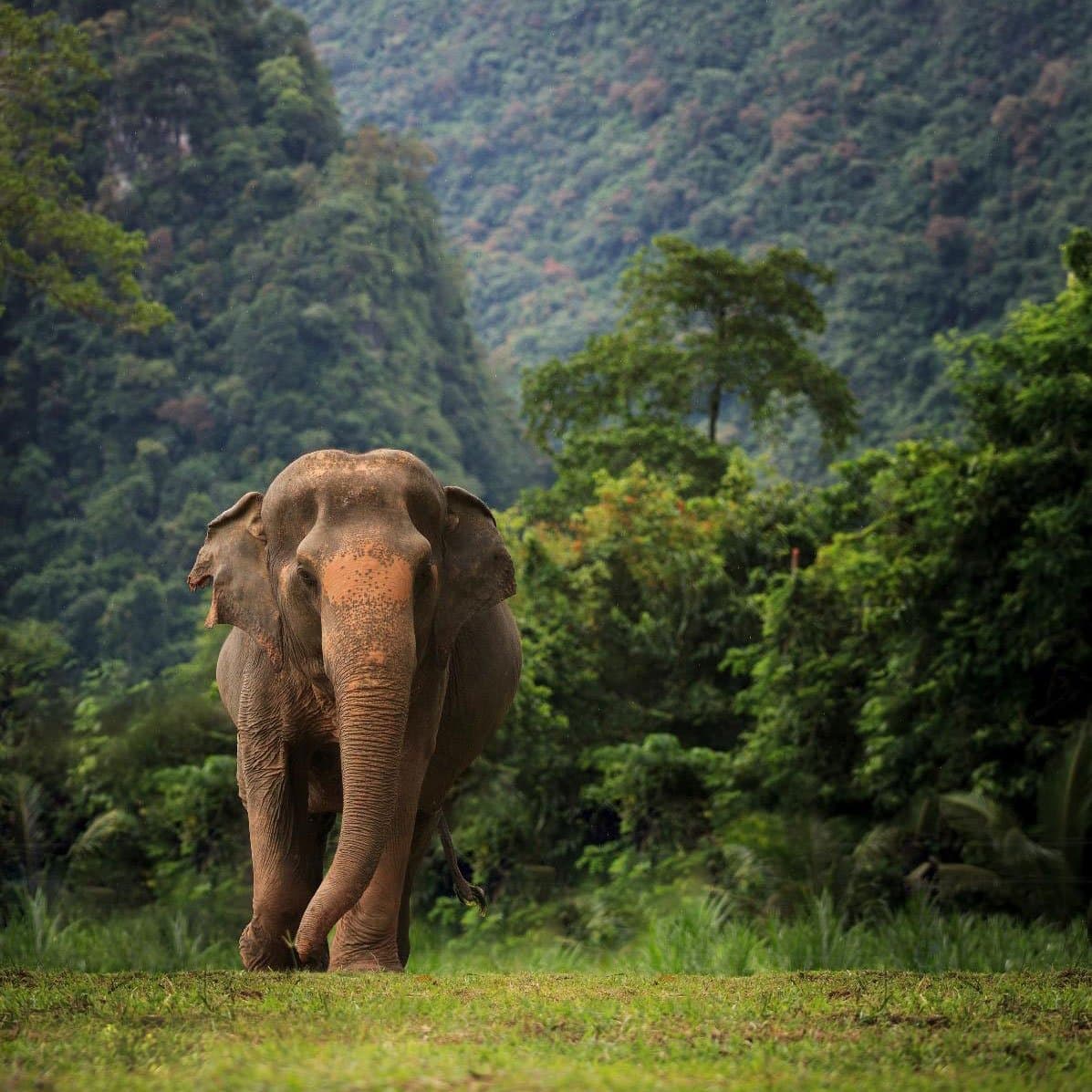
The elephant is the largest land mammal and has the longest nose on earth. Elephants are social animals and stay in herds of 4­20 animals. Herds are usually made up of only female elephants, including calves of both sexes, with the oldest and wisest female as their leader (called matriarch). Males may follow the herds for a while, but are not really included due to Musth (a seasonal peak in hormones and aggression). In Asia, unlike in Africa, only the male grows big tusks, which continue to grow throughout the elephant’s life. The elephant’s skin varies in thickness from paper thin, inside the ears, around mouth and anus, to 2.5cm thick around the back and in some places on the head. Asian elephants are ‘endangered’ on the IUCN List and are on Appendix I of CITES.

Did you know...?

… that Asian elephants get white and pink spots on their trunk when they become older – just as people develop age spots?
Colouring:
Greyish brown in color with hairs on the head, back and at the end of the tail.

Diet:
Elephants are herbivores and eat anything green; bamboo, bananas, grass, fruit and leafs. An elephant selects the food with its trunk and puts it in its mouth. The vegetation does not provide enough minerals for the elephant, so it supplements its diet by eating mud. An elephant needs to consume between 5 and 10 percent of its body weight in food and up to 200 liters of water per day!

Habitat:
The Asian elephant inhabits forests with high humidity, lots of fresh water and shade. Elephants love water and never pass up an opportunity to go for a swim.

Reproduction:
Bulls, although capable of mating at 10 years, become active in seeking mates sometime after they reach 30 years of age when they are fully grown. Gestation is about 22 months, and birth weight about 90kg (200lbs). Although the newly born calf is quite a size, 90kg is not really noticeable inside an expectant cow of over three tons. Elephants usually give birth to only one calf at a time, and twins are extremely rare (just under 1% of all births). The male calves leave the years to wander alone.