A Small Change, A More Magical Experience [Starting 1 May 2026]
We're making a few gentle changes to how you'll experience our tours - designed to feel even more natural and enjoyable for both you and the elephants. Full Information → ×
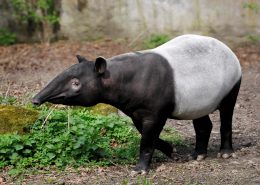
Tapir
Body:1.85 – 2.40 m (long) 0.9 – 1.1 m (tall)
Tail:5 – 10 cm
Weight:250 – 320 kg

Tapir

Taprius Indicus

Description:
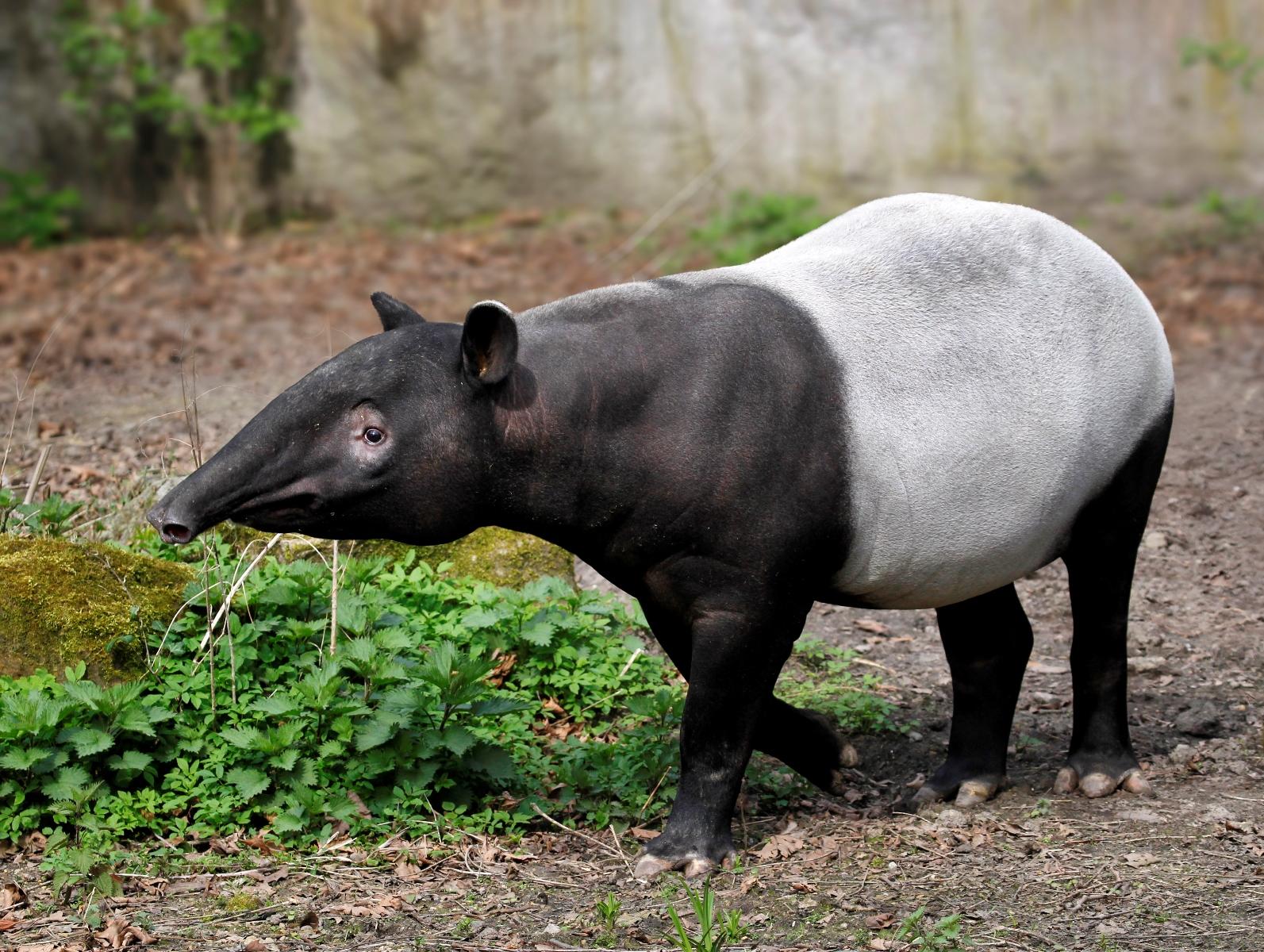
The Tapir is a large and stocky animal with a large proboscis (snout). Tapirs are black in the front part of the body and at the rear end with a white part in the middle. Tapirs look somewhat like pigs, but are of a completely different genetic order, being closer related to horses than to pigs. They communicate using high­pitched squeaks and whistles and live up to 30 years of age. These the IUCN Red list as ‘endangered’ and are included in Appendix I of CITES.

Did you know...?

… that tapirs not only like to swim but also let themselves sink and then walk around at the bottom of a river using their snout as a snorkel?
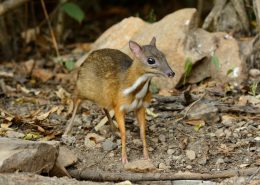
Colouring:
Black with a white or gray “saddle blanket” shaped area on the back.

Diet:
The tapir is a herbivorous non­ruminant and prefers young leaves and vegetation from 115 different plants.

Habitat:
Tapirs can mostly be found in tropical lowland and highland rainforests where there is a permanent supply of water. During the daytime they usually hide in the forests. They love the twilight and nighttime and come out of the forests then for food and water.

Reproduction:
Mating season is between April and May, when excited Tapirs make a wheezing, whistling noises whilst trying to sniff one another’s genitals. The gestation period lasts about 13 months, resulting in a litter of one single calf, weighing about 6.5 kg. The young have completely different markings with a spotted and striped coat lasting 4 to 7 months. Weaning occurs at an age around 6 to 8 months with sexual maturity being reached around the age of 3 years.