A Small Change, A More Magical Experience [Starting 1 May 2026]
We're making a few gentle changes to how you'll experience our tours - designed to feel even more natural and enjoyable for both you and the elephants. Full Information → ×
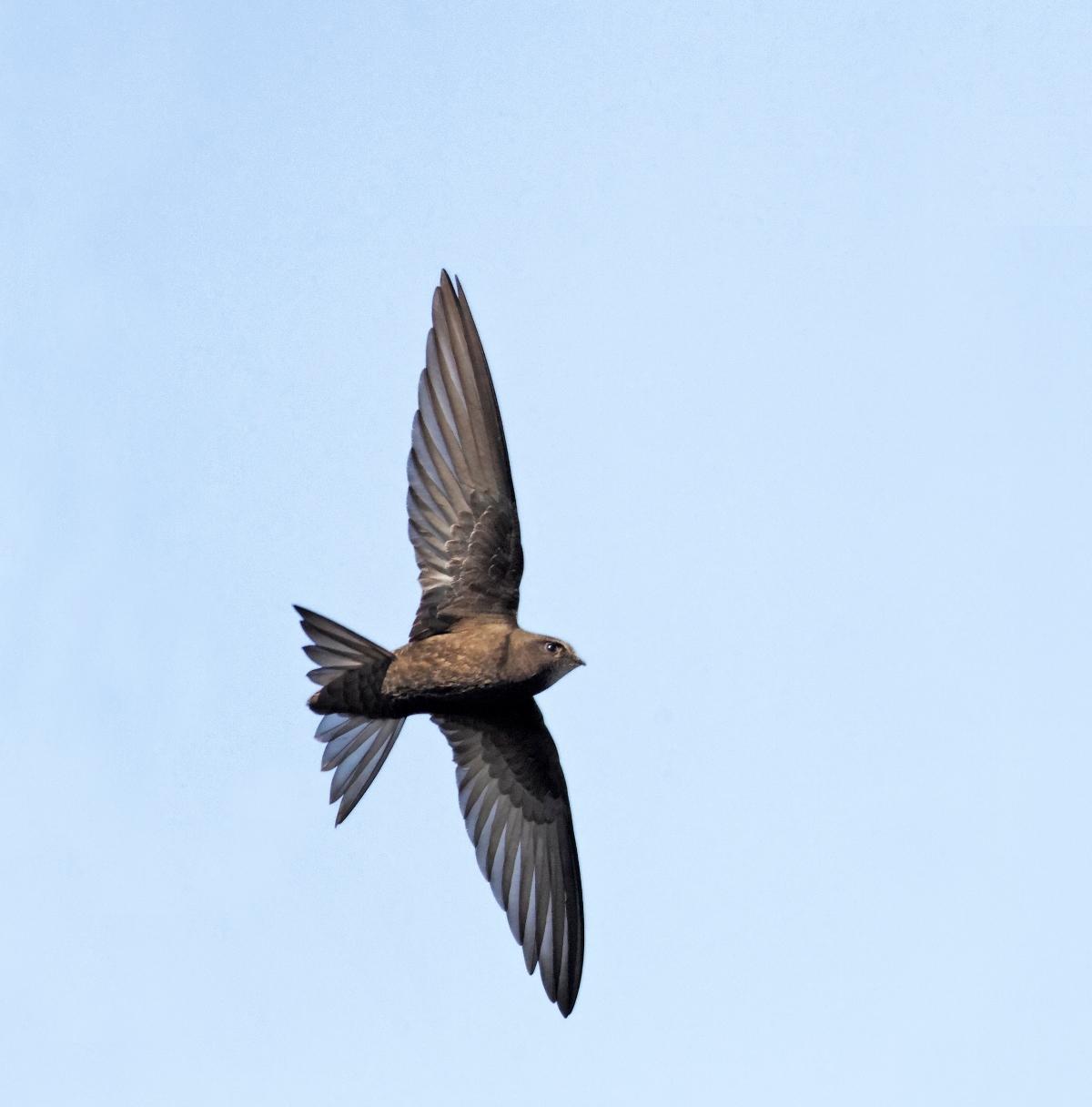
Swift
Length:25 cm.
Weight :184 g.
Speed:Fastest: 200 Km. / hrs.

Swift

Apodidae

Description:
There are nine types of swifts in Khao Sok National Park. Swifts have a compact body, narrow neck and relatively long wings. They are usually black and dark to pale brown in color and look somewhat similar to swallows although these species are not related at all. The family name of swifts, Apodidae, comes from the Greek word ‘apous’ which means ‘without feet’, and refers to the fact that swifts never
voluntarily settle on ground, hence spending most of their life high up in the air. They can actually stay in the air for 8 months or more without ever having to land! In Khao Sok National Park there is also an extraordinary species of swift, the black­nest swiftlet, which uses a form of echolocation to catch prey. All of the species in Khao Sok are categorized as ‘lower risk, least concern’ on the IUCN Red list.

Did you know...?

… that in Thailand 2 species of swifts are best known for their nests? These nests are edible for humans who boil them with herbs
US$ 1,200 per kilogram!
Diet:
Swifts feed on insects which they catch whilst flying. They usually prefer to hunt during twilight.

Habitat:
Swifts are found in virtually any temperate or tropical area where prey can be found. They stay together in big colonies, sometimes inside caves, mainly on cliff faces. One species in Khao Sok, the Asian palm swift, glues its nest to the undersides of palm leaves using saliva.

Reproduction:
Swifts’ nests are made of mud and plant related material. They cement a cup­like nest together using saliva and isolate it with a couple of feathers. Swifts are monogamous and share the responsibility of incubation and rearing their young. Clutch size can be anything between 1 to 7 eggs, but is usually 2 or 3. The incubation period is 14 to 32 days with the total nesting period lasting between five and eight weeks. Once the young are fully fledged, they are no longer supported by their parents.